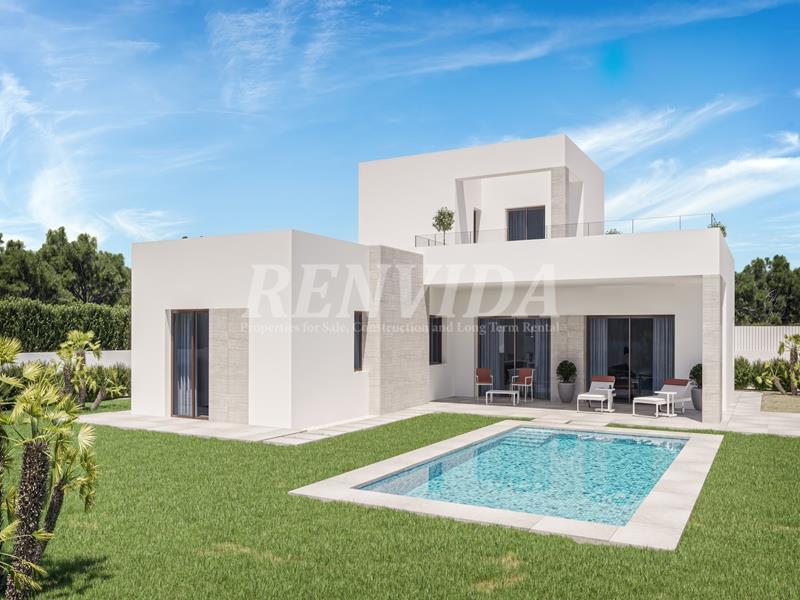
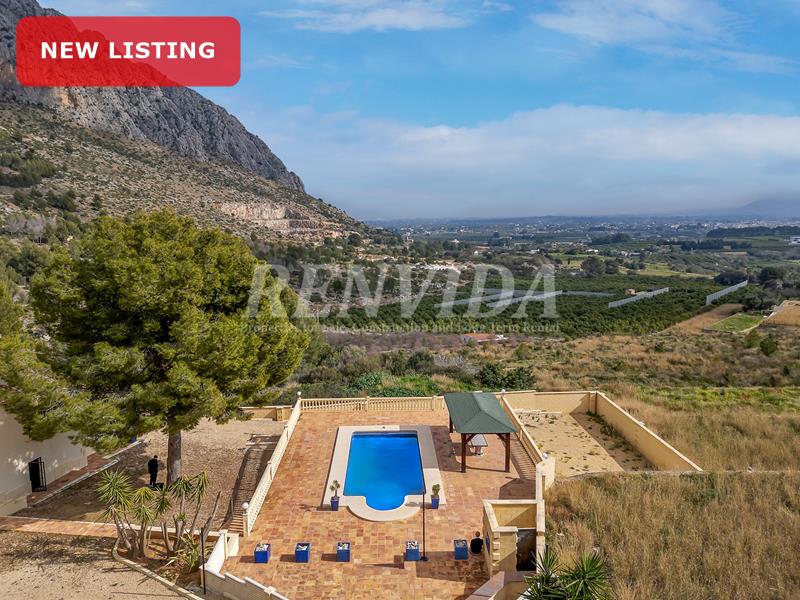
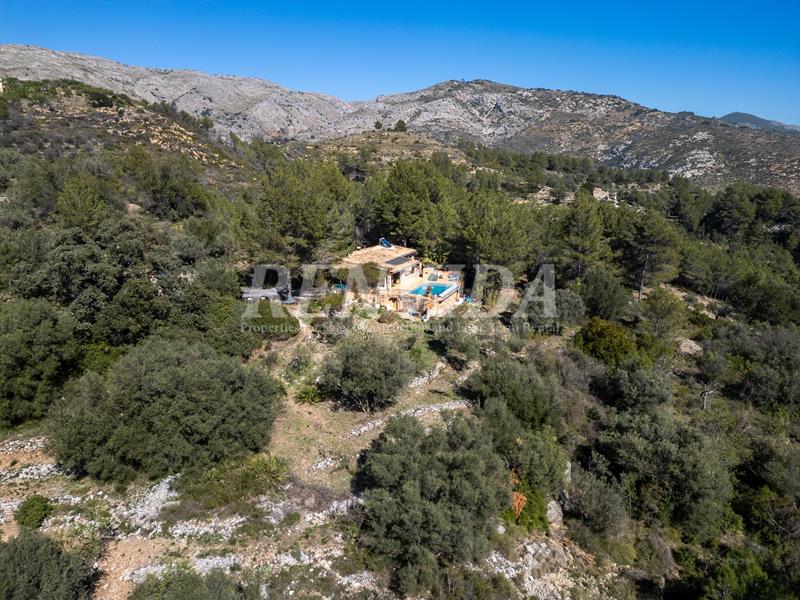
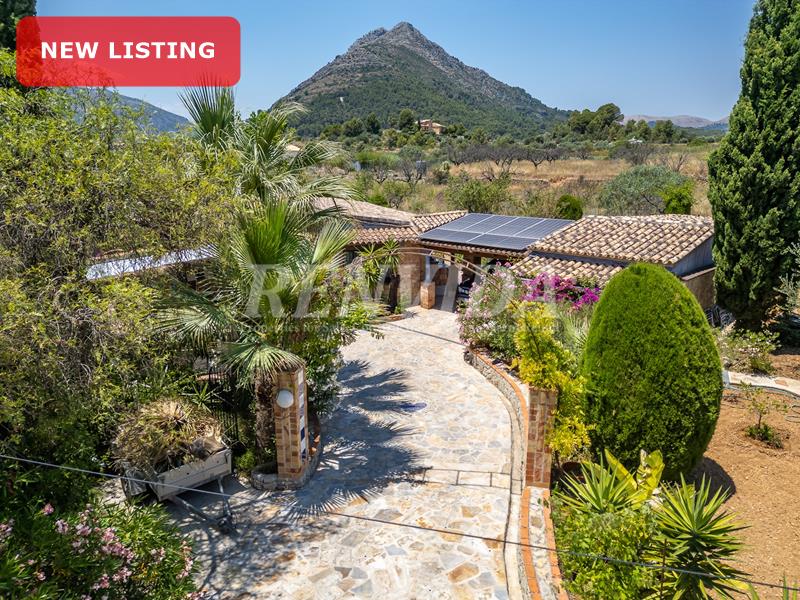
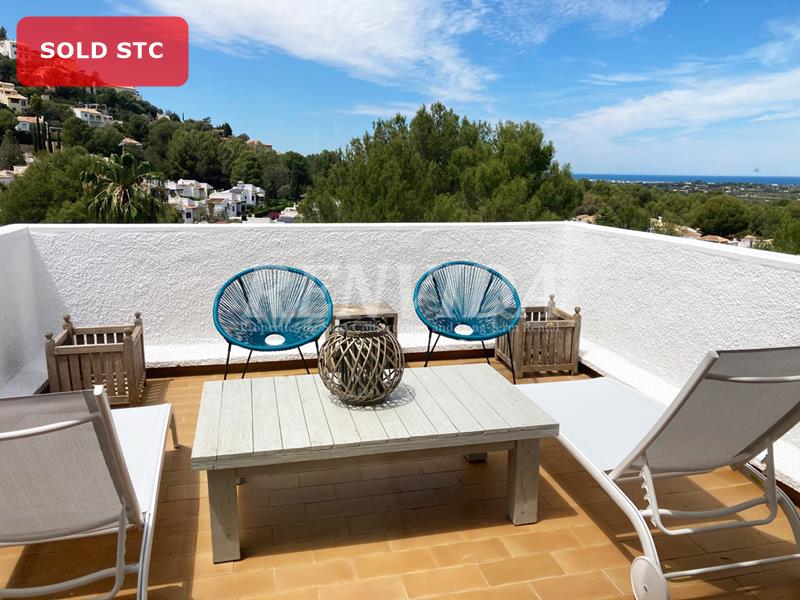
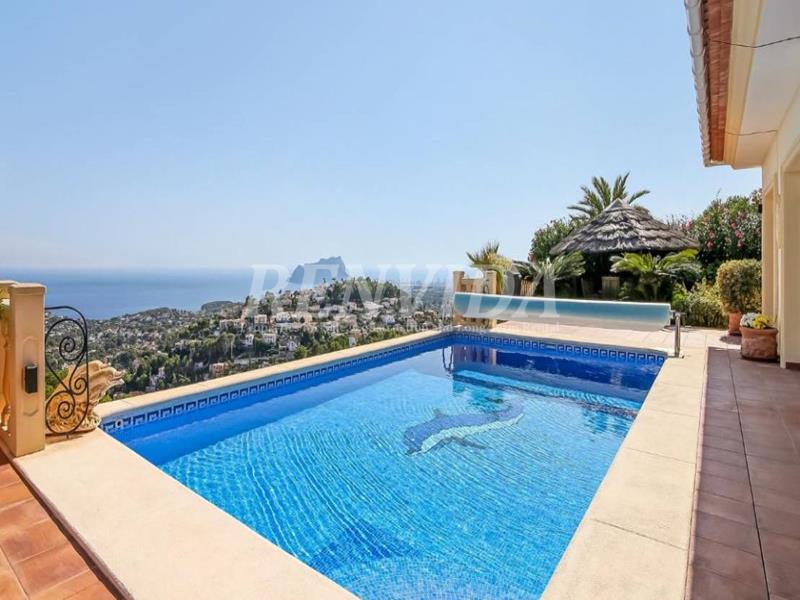
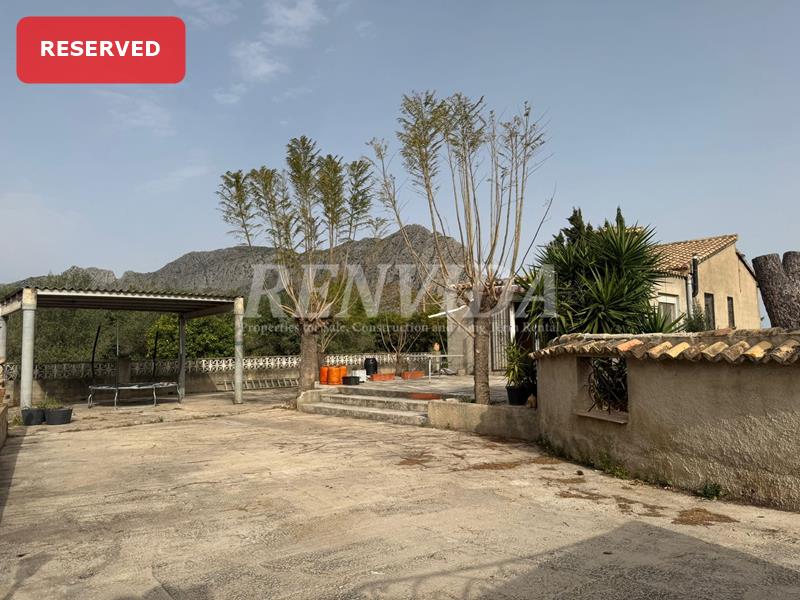
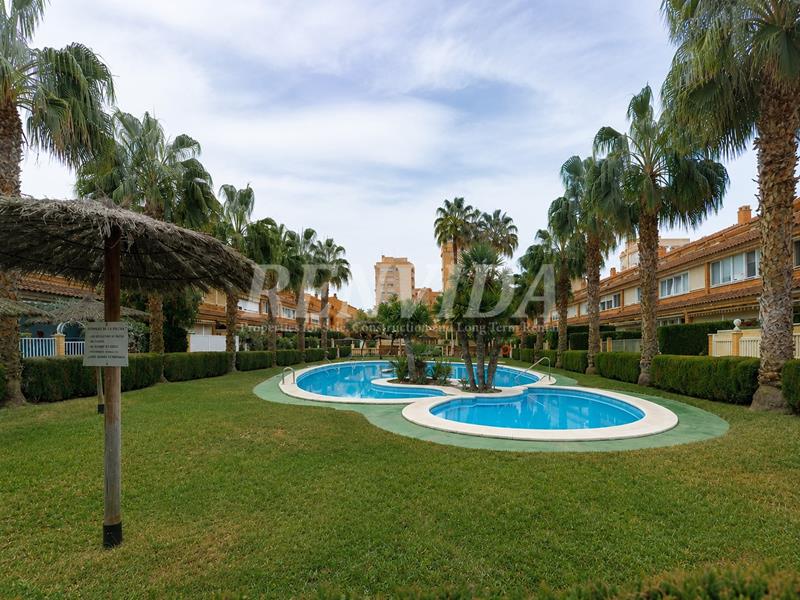
If you are looking for a long term rental or that dream villa for sale Denia or the surrounding towns and villages then look no further. Our selection of property for sale Denia includes villas with sunny pools and wonderful views, traditional townhouses, new construction, designer villas Spain, Ibiza style villas Denia and modern apartments close to the beach.
We have many plots to choose from in various areas if you'd like to construct one of our modern or more traditional designs or adapt to your own requirements. Wonderful mountain and sea views, plots available in Denia, Javea, Monte Solana Pedreguer, Monte Pego, Monte Pedreguer, Beniarbeig.
We have a wide range of properties to suit all individual requirements and all budgets. Years of experience in the business means that as Estate agents Denia, we are experts at matching our clients with the right property with the minimum of fuss but with the best service in the area.
If you can't find what you are looking for in our current portfolio then let us know. We have many colleagues in the local area that we can speak to on your behalf, so there is no need to look any further.
Our local knowledge as Estate agents Denia means we can provide our clients with more than just information about property for sale Denia. We can help you with advice on local schools, medical centers, even distances to the local beaches.
Contact us for more information.
If you have a property for sale or to rent, please get in touch with us to arrange a valuation.

